
Best Cultural Destinations Around the World to Experience Ancient Traditions and Heritage best cultural destinations
Traveling is not only about beautiful beaches, luxury hotels, or famous landmarks. Sometimes, the most memorable journeys are the ones that allow you to step into another culture and experience traditions that have survived for centuries. From ancient temples and historic cities to traditional festivals, local food, crafts, and religious ceremonies, cultural travel offers a deeper connection with the places we visit.
If you want to explore history while experiencing authentic traditions, these best cultural destinations around the world deserve a place on your travel list.
1. Kyoto, Japan – A Journey into Traditional Japan best cultural destinations
Kyoto is one of the best destinations for travelers interested in ancient Japanese culture. Once the imperial capital of Japan, the city is filled with historic temples, traditional wooden houses, peaceful gardens, and centuries-old customs.best cultural destinations
Visitors can explore temples such as Kinkaku-ji and Kiyomizu-dera, walk through the historic streets of Gion, and experience traditional tea ceremonies. Kyoto is also famous for seasonal celebrations, kimono culture, Japanese gardens, and traditional crafts.best cultural destinations
Spring brings cherry blossoms, while autumn transforms the city’s gardens and temples with colorful foliage. Whatever season you choose, Kyoto offers a chance to experience a side of Japan where old traditions remain an important part of everyday life.
2. Varanasi, India – Ancient Spiritual Heritage
Varanasi is one of India’s most culturally significant cities and is often considered one of the country’s oldest continuously inhabited cities. Located along the sacred Ganges River, it has been an important center of spirituality, religion, music, and learning for centuries.
The city’s famous ghats come alive with pilgrims, priests, musicians, and visitors. One of the most memorable experiences is watching the evening Ganga Aarti, when lamps and prayers create a spectacular spiritual atmosphere along the river.best cultural destinations
Beyond its religious traditions, Varanasi is known for silk weaving, classical music, traditional cuisine, and colorful festivals. Walking through its narrow lanes reveals centuries of history at almost every turn.
3. Rome, Italy – Where Ancient History Meets Modern Life
Rome is an exceptional destination for history and culture lovers. The Italian capital is home to some of the world’s most recognizable ancient monuments, including the Colosseum, Roman Forum, and Pantheon.
Walking through Rome often feels like traveling through different periods of history. Ancient Roman architecture stands alongside Renaissance buildings, Baroque fountains, churches, and lively modern neighborhoods.
Italian culture is also experienced through food. Enjoying traditional pasta, pizza, gelato, and espresso at a local café can become just as memorable as visiting a historic monument.best cultural destinations
Rome’s combination of archaeology, art, architecture, religion, and cuisine makes it one of the best cultural destinations in the world.best cultural destinations
4. Cairo, Egypt – Discover the Legacy of Ancient Egypt
Cairo is an exciting destination for anyone fascinated by ancient civilizations. The city provides access to the extraordinary pyramids of Giza, the Sphinx, historic mosques, bustling markets, and museums filled with Egyptian artifacts.
The legacy of ancient Egypt can be seen throughout the region. Visitors can learn about pharaohs, ancient religious beliefs, hieroglyphics, architecture, and burial traditions.
At the same time, modern Cairo offers a vibrant cultural experience through its markets, street food, music, cafés, and traditional neighborhoods.
A visit to Cairo is therefore not simply a journey into the distant past. It is an opportunity to see how ancient heritage continues to influence modern Egyptian culture.
5. Istanbul, Türkiye – A Meeting Point of Civilizations
Istanbul is unique because it sits between Europe and Asia. Over the centuries, the city has been shaped by different civilizations and empires, creating an extraordinary cultural landscape.
The Hagia Sophia, Blue Mosque, Topkapi Palace, and Grand Bazaar are among its most famous attractions. Each place offers a glimpse into different chapters of the city’s long history.
Travelers can also experience Turkish traditions through tea, coffee, traditional sweets, local cuisine, handicrafts, and colorful markets.
A walk through Istanbul’s historic neighborhoods reveals a fascinating mixture of architecture, languages, food, and customs. This blend makes the city an unforgettable destination for cultural tourism.
6. Jaipur, India – Royal Heritage and Living Traditions
Known as the Pink City, Jaipur is one of India’s most fascinating heritage destinations. Its grand palaces, forts, colorful markets, and traditional crafts reflect the region’s royal history.
The Amber Fort and City Palace are major attractions, while local markets offer textiles, jewelry, pottery, handicrafts, and traditional clothing.
Jaipur is also famous for its festivals and Rajasthani cuisine. Folk music and dance remain an important part of the region’s cultural identity.
For travelers looking to experience India’s royal traditions, architecture, crafts, and colorful lifestyle, Jaipur is an excellent choice.
7. Marrakech, Morocco – A Sensory Cultural Experience
Marrakech offers a completely different cultural experience. Its historic medina is filled with narrow streets, traditional markets, courtyards, mosques, riads, and artisan workshops.
The famous souks are ideal for discovering Moroccan handicrafts, including leather goods, carpets, ceramics, lamps, and textiles.
Food is another important part of Moroccan culture. Traditional dishes such as tagine and couscous provide an opportunity to experience the country’s culinary heritage.
As evening arrives, Marrakech becomes even more atmospheric, with markets, performers, music, and food stalls creating a lively cultural scene.
8. Cusco, Peru – Exploring Inca Heritage
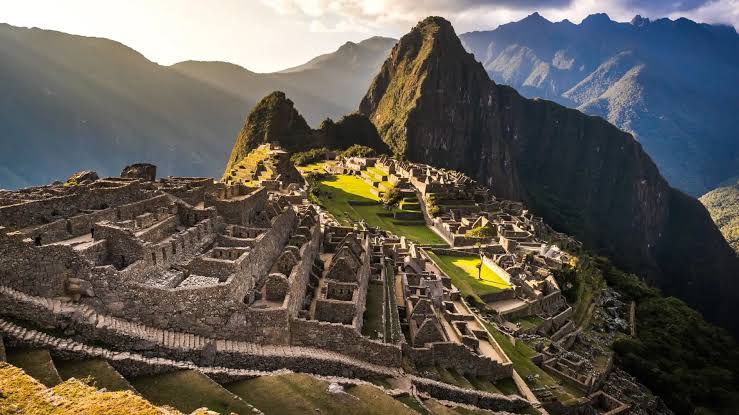
Cusco is an excellent destination for travelers interested in ancient civilizations and Indigenous traditions. Once the capital of the Inca Empire, the city combines Inca heritage with Spanish colonial architecture.
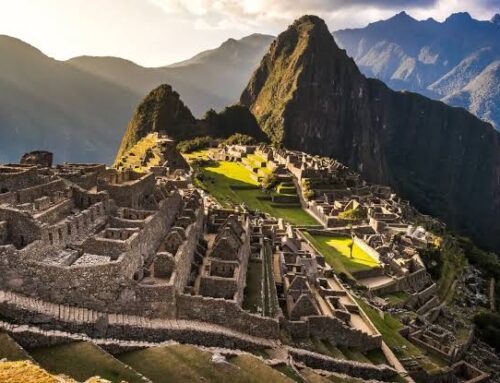
Visitors can explore ancient stonework, historic churches, markets, and nearby archaeological sites. The famous Sacred Valley and Machu Picchu can also be included in a cultural journey through the region.
Traditional textiles, festivals, music, dance, and Indigenous customs remain an important part of local life.
Cusco shows how ancient heritage can continue to influence modern communities and traditions.
9. Athens, Greece – The Birthplace of Ancient Stories
Athens is one of the world’s most important destinations for ancient history. The Acropolis and Parthenon provide an incredible introduction to ancient Greek civilization.
But Athens offers more than archaeological sites. Traditional Greek food, neighborhood cafés, local markets, music, and festivals provide opportunities to experience contemporary Greek culture.
Exploring the city’s historic neighborhoods while enjoying dishes such as moussaka, souvlaki, and Greek salad creates a complete cultural experience.
10. Luang Prabang, Laos – Peaceful Traditions and Spiritual Heritage
Luang Prabang is a beautiful destination for travelers looking for a slower and more peaceful cultural experience. Located between mountains and rivers, the historic city is known for Buddhist temples, traditional architecture, and spiritual traditions.
Visitors can explore ancient temples, observe traditional ceremonies, visit local markets, and learn about Lao handicrafts and cuisine.
The city’s relaxed atmosphere makes it particularly appealing to travelers who want to experience culture without the intensity of a major metropolitan destination.
How to Make Your Cultural Journey More Meaningful
Visiting famous landmarks is only one part of cultural travel. To understand a destination better, spend time experiencing local life.
Try traditional food, visit local markets, attend cultural festivals, learn about traditional crafts, and explore neighborhoods away from major tourist attractions.
Respect local customs, especially when visiting religious sites. Dress appropriately, ask before photographing people, and follow local rules.
Learning a few simple words or greetings in the local language can also make interactions more enjoyable.
Final Thoughts
The best cultural destinations are places where history is not simply displayed inside museums but remains part of everyday life. Kyoto’s traditional ceremonies, Varanasi’s spiritual heritage, Rome’s ancient architecture, Jaipur’s royal traditions, and Cusco’s Indigenous culture all offer travelers something much deeper than sightseeing.
Cultural travel allows you to understand how people lived in the past while seeing how their traditions continue today. If you are planning your next adventure, consider choosing a destination where you can experience not only beautiful places but also the stories, customs, food, art, and traditions that make each culture unique.