India’s Rajasthan: Desert Forts, Palaces, and Royal Indian Heritage
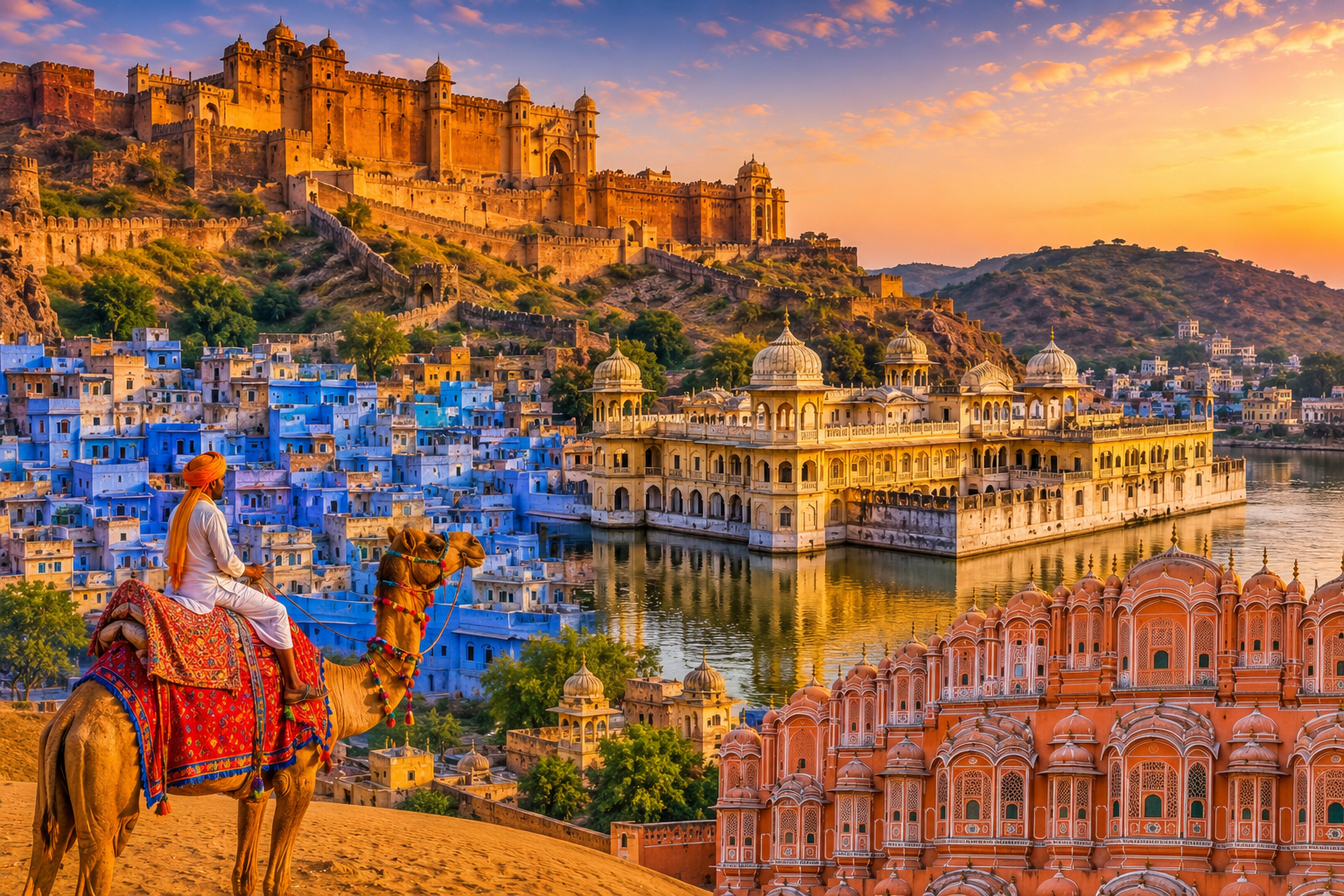
India’s Rajasthan is a land of majestic forts, grand palaces, golden deserts, colorful cities, and centuries-old traditions. Located in northwestern India, Rajasthan offers travelers a remarkable journey through royal history and vibrant culture. The state is famous for its magnificent architecture, traditional festivals, local crafts, flavorful cuisine, and warm hospitality.
For centuries, powerful Rajput kingdoms ruled many parts of this region. As a result, they built impressive forts on hills, elegant palaces beside lakes, and beautifully decorated residences inside historic cities. Today, these landmarks allow visitors to explore the royal heritage that continues to shape Rajasthan’s identity.
From the pink streets of Jaipur to the golden sandstone buildings of Jaisalmer, India’s Rajasthan presents a different experience in every city. Whether travelers enjoy history, architecture, culture, desert adventures, or photography, the state offers unforgettable attractions.
Jaipur: The Royal Pink City
Jaipur, the capital of Rajasthan, is widely known as the Pink City. The city features historic buildings painted in warm shades of pink, creating a distinctive and welcoming appearance.
One of Jaipur’s most famous landmarks is Amber Fort. Built on a hill, the fort combines impressive defensive structures with elegant courtyards, decorated halls, and scenic views. Visitors can explore its detailed architecture while learning about the region’s royal history.
The City Palace is another important attraction. It contains museums, courtyards, and royal buildings that reflect the lifestyle of Jaipur’s former rulers. Meanwhile, the nearby Hawa Mahal stands out because of its unique façade with many small windows.
Furthermore, Jaipur is known for traditional jewelry, colorful textiles, handmade crafts, and local markets. Therefore, visitors can combine historical sightseeing with shopping and cultural experiences.
Jaisalmer: The Golden City of the Desert
Jaisalmer rises from the Thar Desert like a golden dream. Its buildings use yellow sandstone, which gives the city a warm golden color, especially during sunrise and sunset.
Jaisalmer Fort is one of the city’s greatest attractions. Unlike many historic forts, it contains homes, shops, temples, restaurants, and active communities. As a result, visitors can experience both history and everyday life inside its ancient walls.
The city also features beautifully decorated havelis, or traditional mansions. Patwon Ki Haveli is especially famous for its detailed stone carvings and elegant balconies.
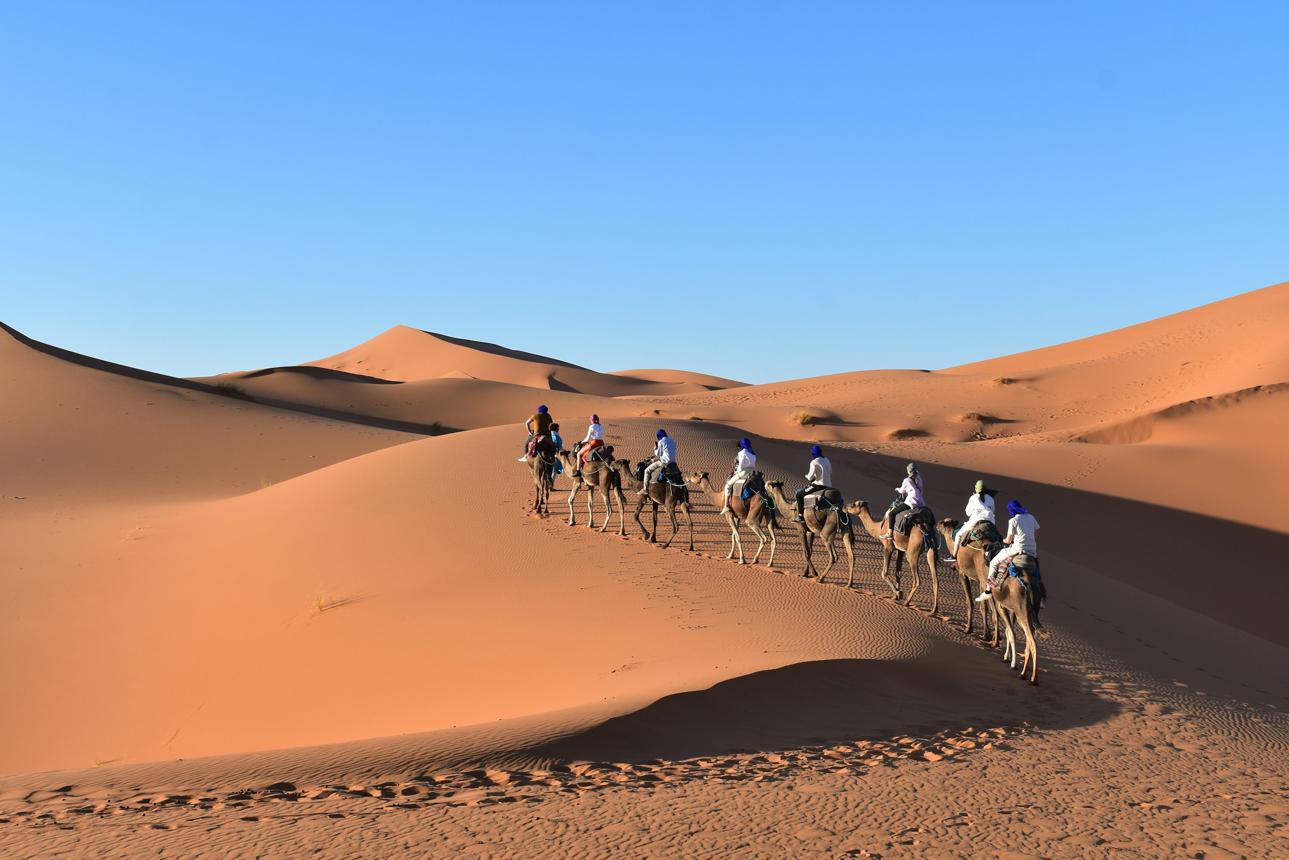
Beyond the city, travelers can explore the Thar Desert. Desert safaris offer opportunities to see sand dunes, enjoy traditional music, and experience the peaceful atmosphere of Rajasthan’s desert landscape.
Udaipur: The City of Lakes and Palaces
Udaipur is famous for its beautiful lakes, royal palaces, and scenic hills. Because of its romantic atmosphere, many travelers consider it one of India’s most beautiful cities.
The City Palace stands beside Lake Pichola and offers impressive views of the water and surrounding landscape. Its courtyards, balconies, museums, and decorated rooms display the artistic traditions of Rajasthan’s royal families.
Additionally, visitors can take a boat ride on Lake Pichola and admire the city from the water. The lake also provides beautiful views of historic buildings and nearby hills.
The white marble buildings and peaceful lakes create a striking contrast with the dry landscapes found in other parts of Rajasthan. Consequently, Udaipur offers a calm and elegant travel experience.
Jodhpur: The Blue City
Jodhpur is known as the Blue City because many houses near the historic center feature shades of blue. Above the city stands the magnificent Mehrangarh Fort, one of the largest and most impressive forts in India.
The fort rises above the surrounding buildings and provides panoramic views of Jodhpur. Inside, visitors can explore royal rooms, museums, courtyards, and displays of historic weapons, clothing, and artwork.
Moreover, the narrow streets below the fort contain traditional shops, markets, and local restaurants. Travelers can walk through these lively areas and experience the city’s culture.
Jodhpur also serves as a gateway to nearby villages and desert landscapes. Therefore, visitors can explore both urban heritage and rural traditions during the same journey.
Chittorgarh: A Fort of Courage and History
Chittorgarh is home to one of India’s largest and most historically important forts. Chittorgarh Fort stands on a large hill and contains ancient temples, towers, palaces, gates, and reservoirs.
The fort represents stories of Rajput courage, sacrifice, and resistance. Throughout its history, rulers defended the fort during several major conflicts. As a result, the site holds deep cultural importance for Rajasthan.
Visitors can explore the large complex while viewing historic structures such as Vijay Stambh and Kirti Stambh. The fort also provides wide views of the surrounding countryside.
India’s Rajasthan Royal Culture and Traditions
India’s Rajasthan preserves a rich cultural heritage through music, dance, clothing, festivals, and traditional crafts. Colorful turbans, embroidered garments, folk songs, and energetic dance performances reflect the region’s identity.
Traditional crafts also play an important role in local communities. Artisans create hand-block printed textiles, blue pottery, jewelry, leather products, and detailed paintings. Visitors can explore local markets and support skilled craftspeople by purchasing authentic handmade items.
Furthermore, Rajasthan’s festivals bring cities and villages to life. Music, dance, processions, traditional clothing, and cultural events create a joyful atmosphere throughout the year.
Traditional Rajasthani Food
Food provides another memorable way to experience India’s Rajasthan. The region’s cuisine developed according to its climate and local ingredients. Many dishes use spices, lentils, grains, and preserved ingredients.
Dal Baati Churma is one of the state’s most famous meals. It combines lentils, baked wheat balls, and a sweet dish made with crushed wheat. Other popular foods include gatte ki sabzi, ker sangri, and traditional Rajasthani sweets.
In addition, local markets and restaurants offer regional snacks and fresh meals. Travelers can discover different flavors in each city while learning about local food traditions.
Best Time to Visit India’s Rajasthan
The cooler months, generally from October to March, provide comfortable conditions for exploring India’s Rajasthan. During this period, travelers can enjoy forts, palaces, markets, and desert activities more comfortably.
Winter evenings can become cool, especially in desert areas. Therefore, visitors should carry warm clothing when traveling to Jaisalmer or other parts of the Thar Desert.
Summer temperatures can become extremely high. However, travelers who visit during this season may find fewer crowds at some attractions. Regardless of the season, visitors should check local weather conditions before planning outdoor activities.
Why India’s Rajasthan Should Be on Your Travel List
India’s Rajasthan offers an extraordinary combination of royal history, desert landscapes, magnificent architecture, and living traditions. Every city has its own colors, stories, and cultural identity.
Jaipur offers royal palaces and lively markets. Jaisalmer provides golden forts and desert adventures. Udaipur combines lakes with elegant architecture, while Jodhpur impresses visitors with its blue streets and powerful fort.
Ultimately, India’s Rajasthan is more than a collection of historic monuments. It is a living cultural destination where royal heritage continues through art, food, music, architecture, and local traditions. For travelers who want to experience India’s history and diversity, Rajasthan offers a journey filled with beauty, culture, and unforgettable memories.